Welcome to Keep Looking Up, the blog series written by our planetarium team, where we share fun space stories and what you might see if you keep looking up.
In this edition, we are setting our sights far beyond what our eyes can see. Since their launch more than 49 years ago, NASA’s twin Voyager spacecraft have ventured into uncharted reaches of the galaxy. On Wednesday, November 18, 2026, at 5:16 a.m. EST, Voyager 1 reached a historic milestone and became the first human-made object to travel one light-day from Earth.
The Voyager program, launched in 1977, sent two NASA spacecrafts to our solar system’s outer planets, taking advantage of the rare planetary arrangement that only happens once every 176 years. NASA’s Voyager 2 was launched on August 20, 1977, followed by Voyager 1 on September 5, 1977. Even though Voyager 1 was launched after Voyager 2, NASA numbered the probes based on which spacecraft would reach Jupiter and Saturn first. Thanks to Voyager 1’s faster and more direct path, it passed Voyager 2’s slower trajectory designated to visit all four gas giants: Jupiter, Saturn, Uranus, and Neptune.
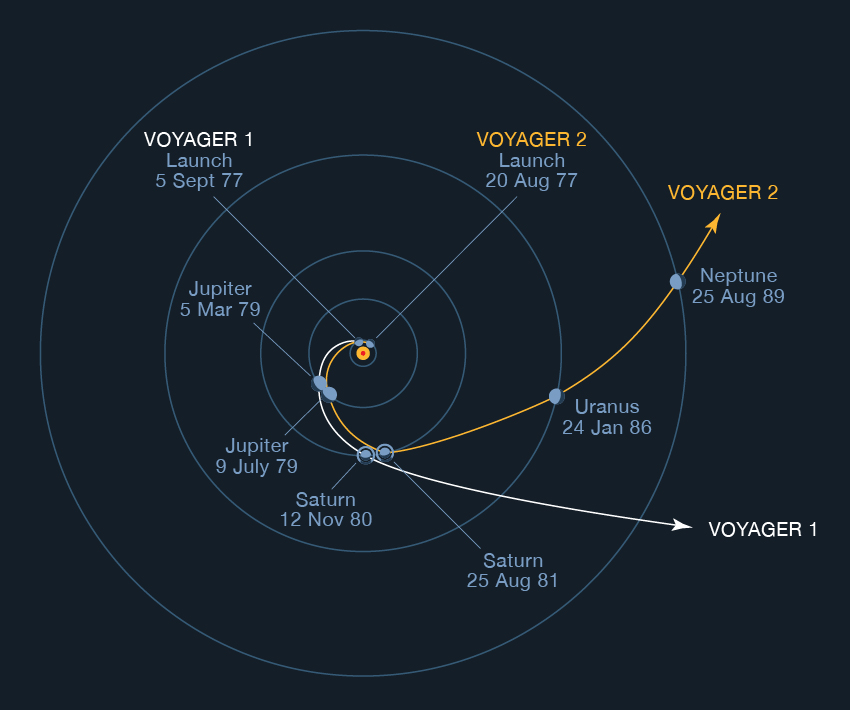
An illustration of the trajectories of Voyager 1 and Voyager 2. Credit: NASA/JPL-Caltech
Now, what is a light-day? A light-day is a unit of distance that describes how far light travels in 24 hours. It equals approximately 16 billion miles (about 26 billion kilometers). Another light distance you may have heard of is the light-year, which measures the distance light travels in one full year. While you may think light-year comes from Toy Story’s Buzz Lightyear, our friend got his name as a combination of the real-life Apollo astronaut Buzz Aldrin, who was the second person to walk on the moon and a sci-fi space concept. You can learn about Buzz Lightyear and other Pixar favorites at Frost Science’s new traveling exhibition, The Science Behind Pixar, where you can explore the creativity, technology, engineering, art, and math that bring unforgettable stories and characters to life.
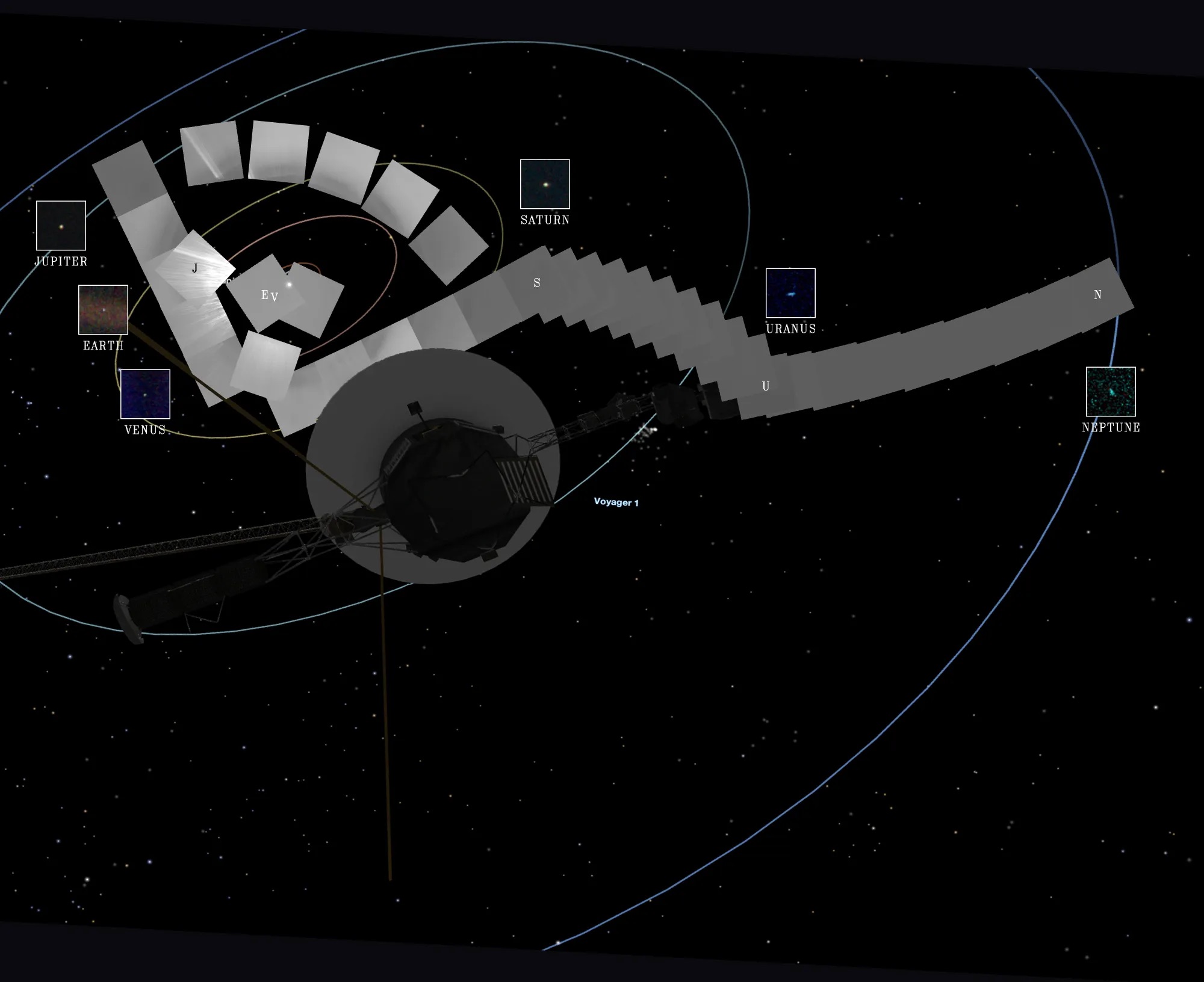
This simulated view, approximates Voyager 1’s perspective when it took its final series of images known as the “Family Portrait of the Solar System.” Credit: NASA/JPL-Caltech
Onboard each spacecraft is a Golden Record, prepared by a team headed by Carl Sagan. The 12-inch (30 centimeters) gold plated copper disk was made for any potential extraterrestrials to glimpse what Earth is like. On the records are symbols that show the location to Earth relative to distant pulsars, which are the rapidly spinning remnants of massive stars that have died. It also contains instructions to play the record, just like a record player. The audio it would play includes greetings in 55 languages, 35 songs from life on Earth (such as thunder, herding sheep, a heartbeat, etc.), 90 minutes of generally Western music including everything from Mozart and Back to Chuck Berry and Blind Willie Johnson. It even included 115 images of life on Earth.
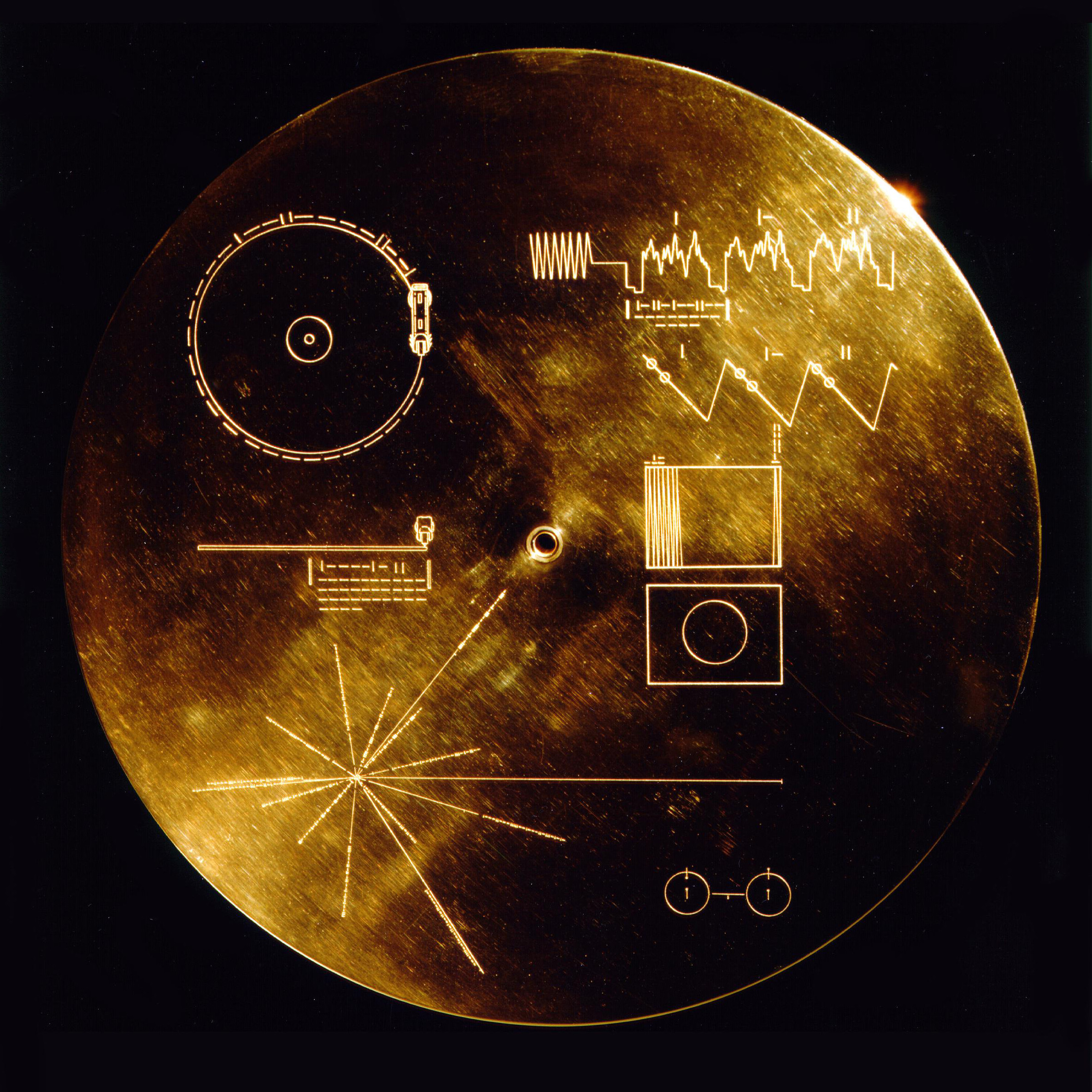
Voyager Golden Record Cover Image. Credit: NASA/JPL-Caltech
As Voyager 1 continues its journey beyond one light-day from Earth, we are reminded of just how much lies beyond our own planet. We might say that the sky is the limit, but for the Voyagers, even the sky isn’t the end. The journeys only show us that there is so much more to explore, discover, and learn about our universe. One light-day is only the beginning.
Keep up with the Voyager 1 and Voyager 2 with NASA’s Mission Status page.
November’s Cosmic Forecast
Make sure to keep an eye on the sky this month, as the constellation Orion climbs higher each night. By the end of the November, it will dominate the southeastern sky late at night. Saturn will remain visible in the southwest but slowly decline. Making an appearance is Jupiter rising around midnight in the constellation Leo. For South Florida stargazers, Jupiter is best viewed in the late nights and early mornings during the autumn months. Of course, an up-close view like the ones captured by the Voyagers spacecraft would be even more spectacular, but for those of us who can’t make the journey, Earth still offers a pretty remarkable view!
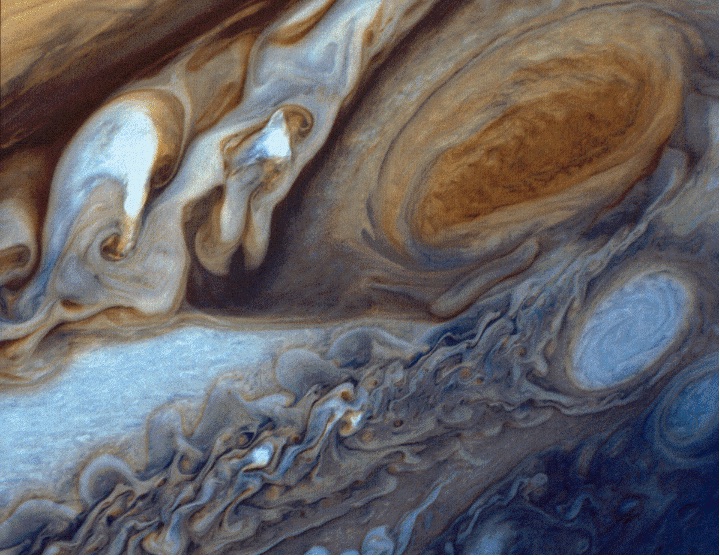
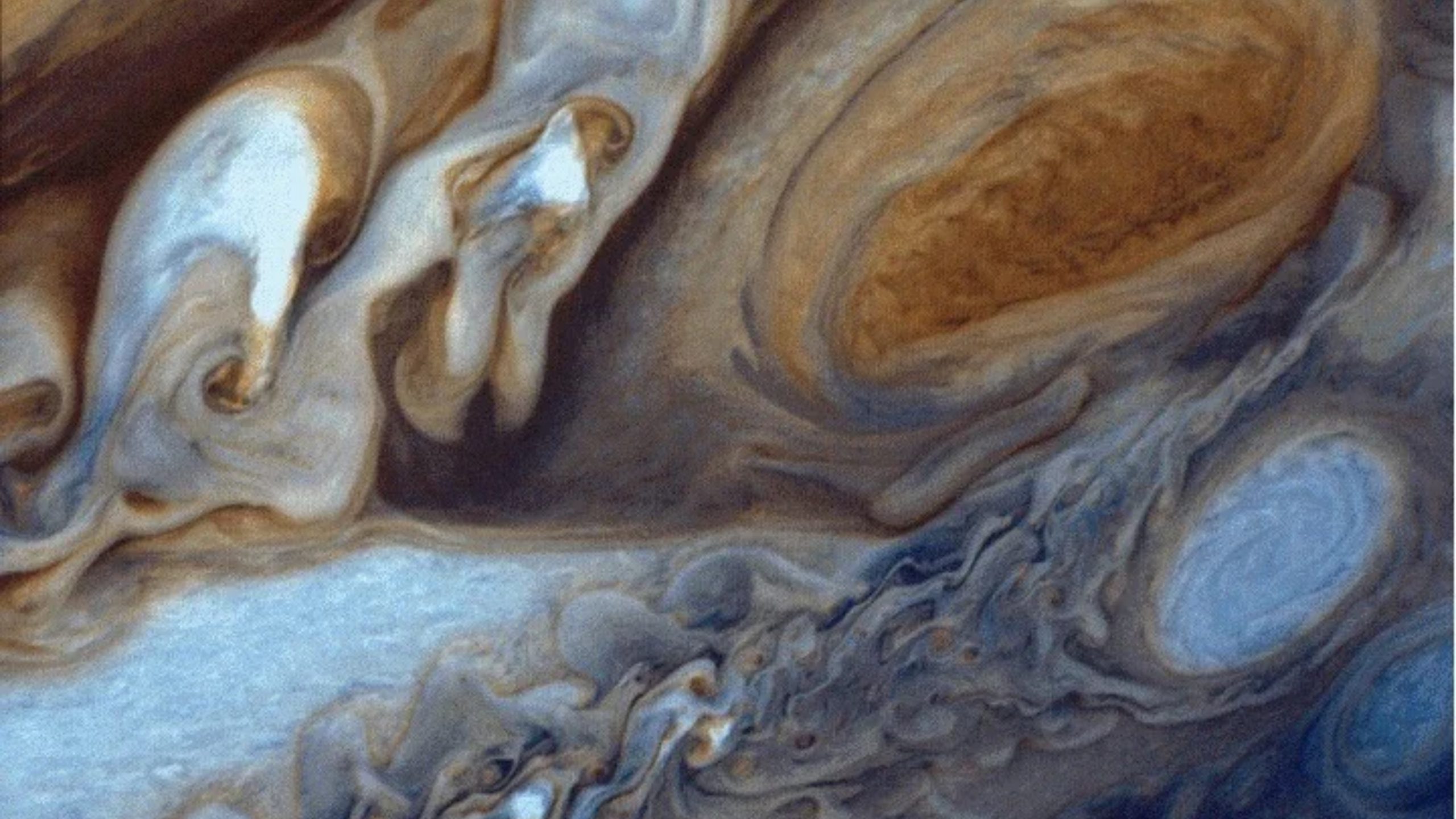
Jupiter’s Great Red Spot captured by Voyager 1. Credit: NASA
From November 14 through the 30, early risers can look forward to a planet parade featuring four of our solar system’s very own planets: Mercury, Venus, Mars and Jupiter. For the best chance of spotting them, head outside approximately 45 minutes before sunrise. With Daylight Saving time having ended at the beginning of the month, sunrise is now an hour earlier by the clock. Want a chance to see all these celestial wonders up close? Frost Science’s Night Sky Telescope Viewing demonstration program gives participants the opportunity to view celestial objects up close and learn about telescopes and astronomy.
And, as always, keep looking up!